
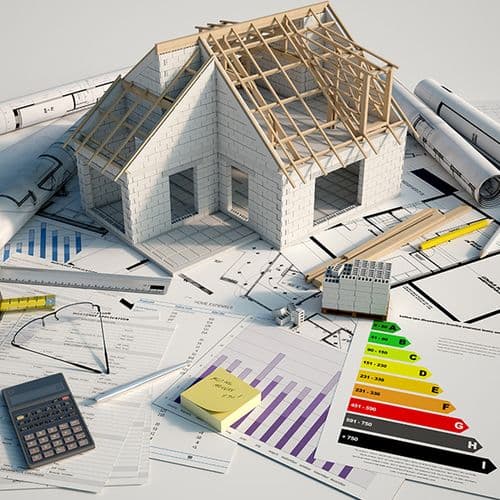
New construction is a process purchase as much as a home purchase. The base price is only the beginning. Understand the builder, contract, lot, selections, timeline, inspections, and carrying costs before you fall in love with the model home.
New construction can offer modern systems, design choices, and a fresh start. It also has a different timeline and contract process from buying an existing home.
Inside this guide
Central Ohio’s newer communities often ask buyers to compare a builder timeline, a lot location, and a growing set of selections alongside nearby resale homes. The complete budget matters more than the model-home price.
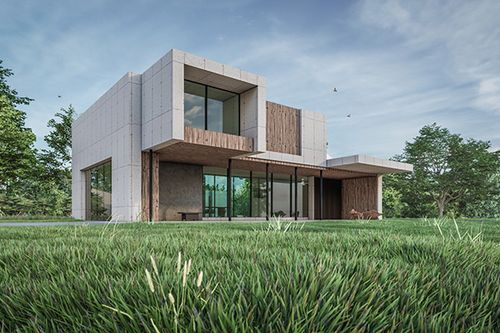 The finished home is only one part of a new-construction decision.
With new construction, the home you are buying includes the process, the contract, and the timeline—not just the finished rooms.
A model home is designed to help you imagine the finished result. Your job is to understand the home that is actually included in the contract. Ask for the specification sheet, identify every upgrade and lot premium, and keep a running total as selections are made. Then ask what happens if a material changes, a completion date moves, or an inspection finds something that needs attention. New construction can be a great fit, but the strongest experience comes from treating the builder conversation as a detailed process—not a single exciting appointment.
Start with the builder and the lot
Research the builder’s process, included features, estimated completion range, lot premiums, and community rules. Ask what is standard, what is an upgrade, and which items may be shown in a model home but excluded from the base price.
Budget beyond the base price
- Include structural or lot premiums, design selections, appliances, window treatments, and landscaping.
- Ask about taxes, association fees, utility connections, and temporary housing.
- Keep a contingency for changes and post-closing projects.
- Compare the complete cost with nearby resale homes.
Protect your timeline
Construction schedules can move because of materials, inspections, weather, and trade availability. Coordinate financing, rate-lock decisions, inspections, sale contingencies, and move planning around a range rather than a single promised date.
Bring your own representation
Ask how representation works before your first visit or registration. A buyer’s agent can help you compare the contract, selections, inspections, and resale considerations while the builder’s team focuses on the builder’s process.
The buyer playbook: make the decision before the deadline makes it for you
Buyers are often asked to move quickly, but speed and preparation are not opposites. The more work you do before the right home appears, the more calmly you can evaluate it when the moment arrives.
1. Separate the comfortable budget from the approval ceiling
Start with the monthly payment your household can carry while still saving, maintaining the home, handling ordinary surprises, and enjoying life. Then add the costs that are easy to forget: property taxes, insurance, association dues, utilities, maintenance, commuting, and the first projects after closing. Your lender can explain loan mechanics; your household decides what feels sustainable.
2. Create a short decision scorecard
Choose three to five priorities before touring. Good categories include location and commute, layout, condition, monthly cost, outdoor space, flexibility, and the amount of work you are willing to take on. Label each as essential, important, or nice to have. This protects you from letting a beautiful kitchen erase a problem with timing, budget, or daily life.
3. Use the showing to collect evidence
- Notice sound, light, storage, traffic, drainage, and the relationship between rooms.
- Ask what is included, what is excluded, and what the seller or builder knows about recent work.
- Look past staging and ask how the home will function with your furniture, routines, and maintenance capacity.
- Record questions immediately; small uncertainties become expensive when they are left vague.
4. Treat due diligence as a learning window
Inspection, appraisal, insurance review, title work, lender conditions, and document review each answer a different question. No report removes all risk. The point is to understand the risk, decide what needs attention, and use the contract terms and professional advice available to you.
5. Keep future flexibility in view
You do not need to predict the next decade. You do need to ask whether the home still works if a job changes, a household grows, a repair arrives early, or the market is less favorable when you eventually move. A purchase that leaves options is often more valuable than one that wins a single day of competition.
A simple way to move forward
Use the sequence below as a conversation starter. It is there to help you see what is known, what still needs checking, and what you want help deciding.
| Step | Focus | What to bring to the conversation |
|---|---|---|
| 01 | Research builder and community | Start with what matters most |
| 02 | Budget the complete home | Name what you need to decide |
| 03 | Document selections and deadlines | Check the facts that can change the answer |
| 04 | Inspect, close, and plan the first year | Know what you want to discuss next |
Questions worth bringing to the conversation
You do not need to arrive with perfect terminology. Bring the questions that will help you understand cost, timing, risk, and the choices available to you.
- What is included, optional, or shown only for inspiration?
- What happens if the completion date moves?
- How will we protect our inspection and financing decisions?
Pricing, inventory, taxes, insurance, school boundaries, association rules, lending terms, and legal or tax consequences can change. Use this guide for preparation, then confirm current details with the relevant public source and a licensed HappyNest professional.
Before you take the next step
Write down the one decision you are trying to make, the information you still need, and the deadline that matters. Then let’s look at the options together. HappyNest can help you turn that short list into a practical plan for your Central Ohio move.
Plan your Central Ohio home search ↗Read “Buying New Construction in Central Ohio”
Sign in or share a few details to read the full guide.