

A good first investment is a repeatable decision, not a lucky guess. Underwrite the property you can actually operate. Conservative assumptions, adequate reserves, and a clear management plan matter more than a spreadsheet that only works in the best case.
Your first investment property should be evaluated as a business decision, not only as a home you like. Central Ohio has many different property types and neighborhoods, so the right fit depends on your goals, risk tolerance, and operating plan.
Inside this guide
Central Ohio investment properties can look very different block to block. A small multifamily near an employment corridor, a house in an established neighborhood, and a new townhome each bring different operating questions—verify the details instead of relying on a broad market label.
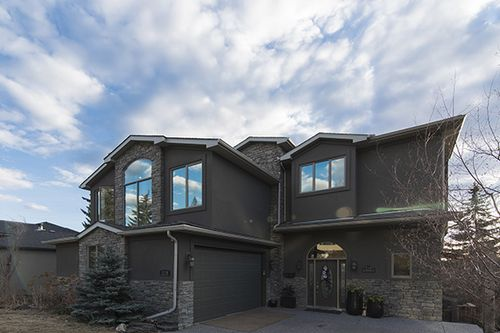 A first investment deserves the same care in the numbers as it gets in the inspection.
The best first investment is one you can operate responsibly when the spreadsheet meets real life.
The most useful investment question is not only whether the property can make money on paper. It is whether the plan still works when ownership is inconvenient. Who handles a late-night repair? What happens if the unit is vacant for a month? Do you have reserves after closing, and does the property still fit if insurance, taxes, or maintenance run higher than expected? Central Ohio offers everything from older single-family homes to newer townhomes and small multifamily properties, but each comes with a different operating reality. Choose the level of complexity you can manage well, then make the numbers reflect that choice.
Define the strategy first
Decide whether you are considering a long-term rental, house hack, small multifamily property, or a future renovation. Each strategy changes the ideal location, financing conversation, property condition, and expected management needs.
Underwrite the whole property
- Estimate rent conservatively and verify local demand.
- Include taxes, insurance, utilities, repairs, vacancy, management, and capital reserves.
- Review leases, permits, zoning, and any condominium or association rules.
- Stress-test the deal for higher expenses or a slower lease-up.
Build the right team
Talk with a lender familiar with the property type, a tax professional, an insurance advisor, and an inspector. A real estate agent can help you evaluate access, condition, resale considerations, and comparable properties, but no projection is guaranteed.
Make the first one a learning asset
A durable process matters more than chasing a perfect first deal. Document your assumptions, ask better questions, and choose a property you can operate responsibly.
The buyer playbook: make the decision before the deadline makes it for you
Buyers are often asked to move quickly, but speed and preparation are not opposites. The more work you do before the right home appears, the more calmly you can evaluate it when the moment arrives.
1. Separate the comfortable budget from the approval ceiling
Start with the monthly payment your household can carry while still saving, maintaining the home, handling ordinary surprises, and enjoying life. Then add the costs that are easy to forget: property taxes, insurance, association dues, utilities, maintenance, commuting, and the first projects after closing. Your lender can explain loan mechanics; your household decides what feels sustainable.
2. Create a short decision scorecard
Choose three to five priorities before touring. Good categories include location and commute, layout, condition, monthly cost, outdoor space, flexibility, and the amount of work you are willing to take on. Label each as essential, important, or nice to have. This protects you from letting a beautiful kitchen erase a problem with timing, budget, or daily life.
3. Use the showing to collect evidence
- Notice sound, light, storage, traffic, drainage, and the relationship between rooms.
- Ask what is included, what is excluded, and what the seller or builder knows about recent work.
- Look past staging and ask how the home will function with your furniture, routines, and maintenance capacity.
- Record questions immediately; small uncertainties become expensive when they are left vague.
4. Treat due diligence as a learning window
Inspection, appraisal, insurance review, title work, lender conditions, and document review each answer a different question. No report removes all risk. The point is to understand the risk, decide what needs attention, and use the contract terms and professional advice available to you.
5. Keep future flexibility in view
You do not need to predict the next decade. You do need to ask whether the home still works if a job changes, a household grows, a repair arrives early, or the market is less favorable when you eventually move. A purchase that leaves options is often more valuable than one that wins a single day of competition.
A simple way to move forward
Use the sequence below as a conversation starter. It is there to help you see what is known, what still needs checking, and what you want help deciding.
| Step | Focus | What to bring to the conversation |
|---|---|---|
| 01 | Choose the strategy | Start with what matters most |
| 02 | Underwrite income and expenses | Name what you need to decide |
| 03 | Inspect and verify | Check the facts that can change the answer |
| 04 | Decide with reserves intact | Know what you want to discuss next |
Questions worth bringing to the conversation
You do not need to arrive with perfect terminology. Bring the questions that will help you understand cost, timing, risk, and the choices available to you.
- What happens if rent is lower or vacancy lasts longer?
- Which repairs are immediate, and which can wait?
- Who will handle the work when ownership becomes inconvenient?
Pricing, inventory, taxes, insurance, school boundaries, association rules, lending terms, and legal or tax consequences can change. Use this guide for preparation, then confirm current details with the relevant public source and a licensed HappyNest professional.
Before you take the next step
Write down the one decision you are trying to make, the information you still need, and the deadline that matters. Then let’s look at the options together. HappyNest can help you turn that short list into a practical plan for your Central Ohio move.
Start a buyer conversation ↗Read “Buying Your First Investment Property in Central Ohio”
Sign in or share a few details to read the full guide.