




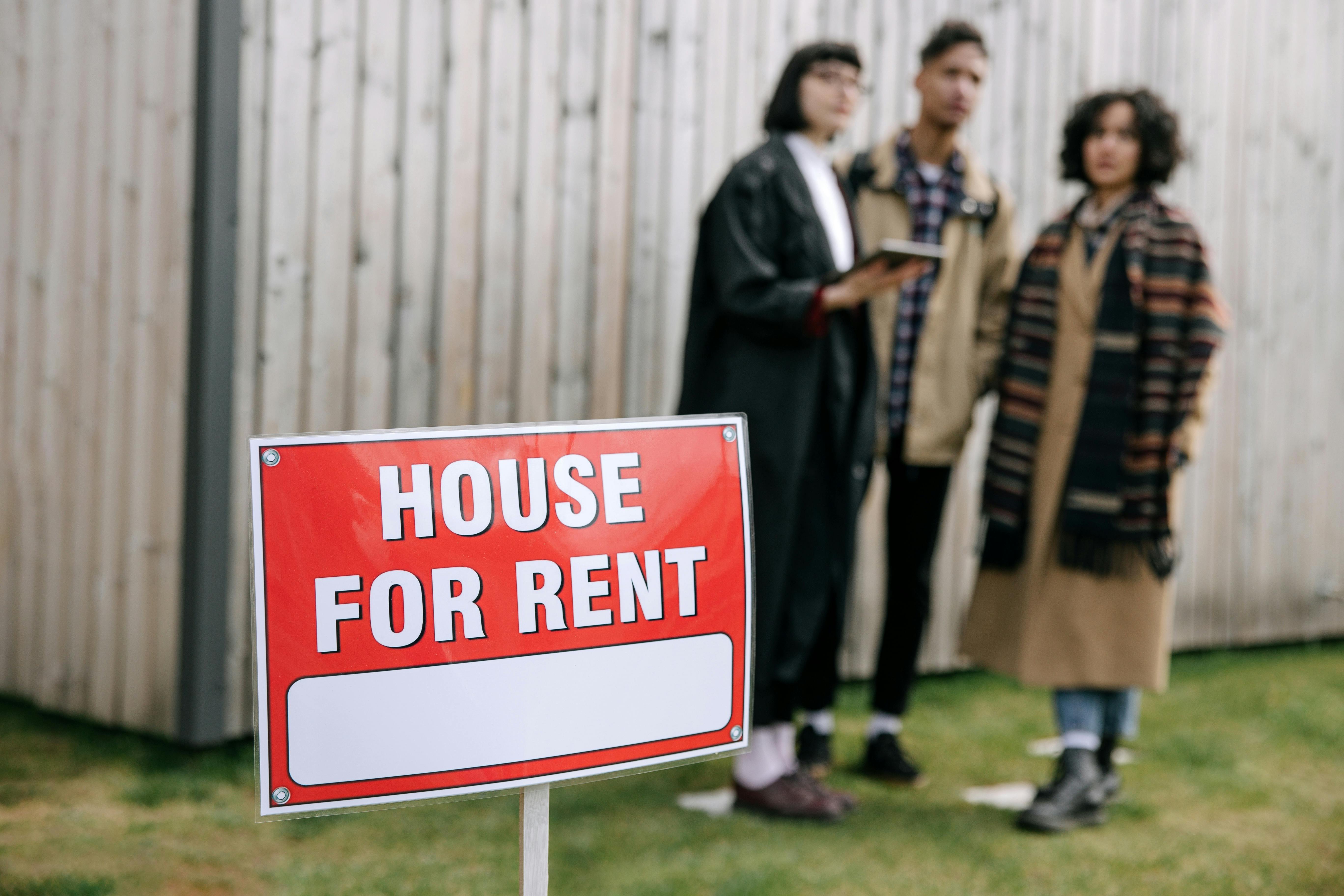
When it’s time to move, homeowners with equity and a decent property often face a decision that goes beyond simply selling: should you sell the home outright, or hold onto it and rent it out? Both paths can make financial sense — the right answer depends on your specific numbers, your goals, and how much ongoing involvement you actually want. Here’s how to think it through.
The Case for Renting It Out
Turning a departing home into a rental can make sense when the numbers support it and you’re comfortable taking on landlord responsibilities, whether directly or through a property manager.
When renting tends to make sense
- The home is in a strong rental market with steady demand and reasonable vacancy rates
- Your mortgage is low relative to achievable rent, leaving healthy monthly cash flow
- You want to hold the property for long-term appreciation rather than cashing out now
- You’re not in immediate need of the equity tied up in the home
Renting also preserves optionality — you keep the asset and the equity growth that comes with it, while generating income in the meantime. For homeowners without an urgent need for cash, this can be one of the more compelling reasons to hold rather than sell.
The Case for Selling
Selling converts your equity into cash immediately, which matters more in some situations than others.
When selling tends to make sense
- You need the equity for a down payment on your next home or another financial priority
- The property would require significant work or updates to be rental-ready
- You don’t want the ongoing responsibility of managing a rental, even remotely
- The local rental market is soft, or achievable rent wouldn’t meaningfully exceed your carrying costs
Selling also has the advantage of simplicity — no tenant turnover, no maintenance calls, no vacancy risk. For homeowners who’d rather have one clean transaction than an ongoing responsibility, that simplicity is worth real consideration on its own.
Run the Numbers Before Deciding
Beyond personal preference, this decision usually comes down to math. A few figures worth calculating before you decide:
- Cash flow: Would achievable rent cover your mortgage, taxes, insurance, and a reasonable maintenance reserve, with room left over?
- Opportunity cost: What could you do with the equity if you sold instead — pay down debt, invest elsewhere, or put it toward your next home?
- Tax considerations: Selling a primary residence often comes with capital gains exclusions that don’t apply the same way to a converted rental property. This is worth discussing with a tax professional before deciding.
- Time horizon: Renting generally makes more sense as a longer-term hold. If you’d likely sell again within a year or two anyway, the transaction costs of renting first may not be worth it.
Consider Your Appetite for Being a Landlord
Even a financially sound rental can become a burden if you’re not prepared for the realities of being a landlord — tenant screening, maintenance requests, occasional vacancies, and the possibility of a difficult tenant. A property manager can offload most of this, typically for a percentage of monthly rent, which is worth factoring into your cash flow calculation if you’re not planning to self-manage.
Final Thoughts
There’s no universally right answer to the rent-or-sell decision — it depends on your specific property, market, and financial goals. What matters is making the decision deliberately, with real numbers in front of you, rather than defaulting to whichever option feels easier in the moment. A local agent can help you estimate achievable rent and current market value side by side, so you’re comparing both paths with real data instead of guesswork.